Commerical Solar Solutions
Solar Audit & Testing
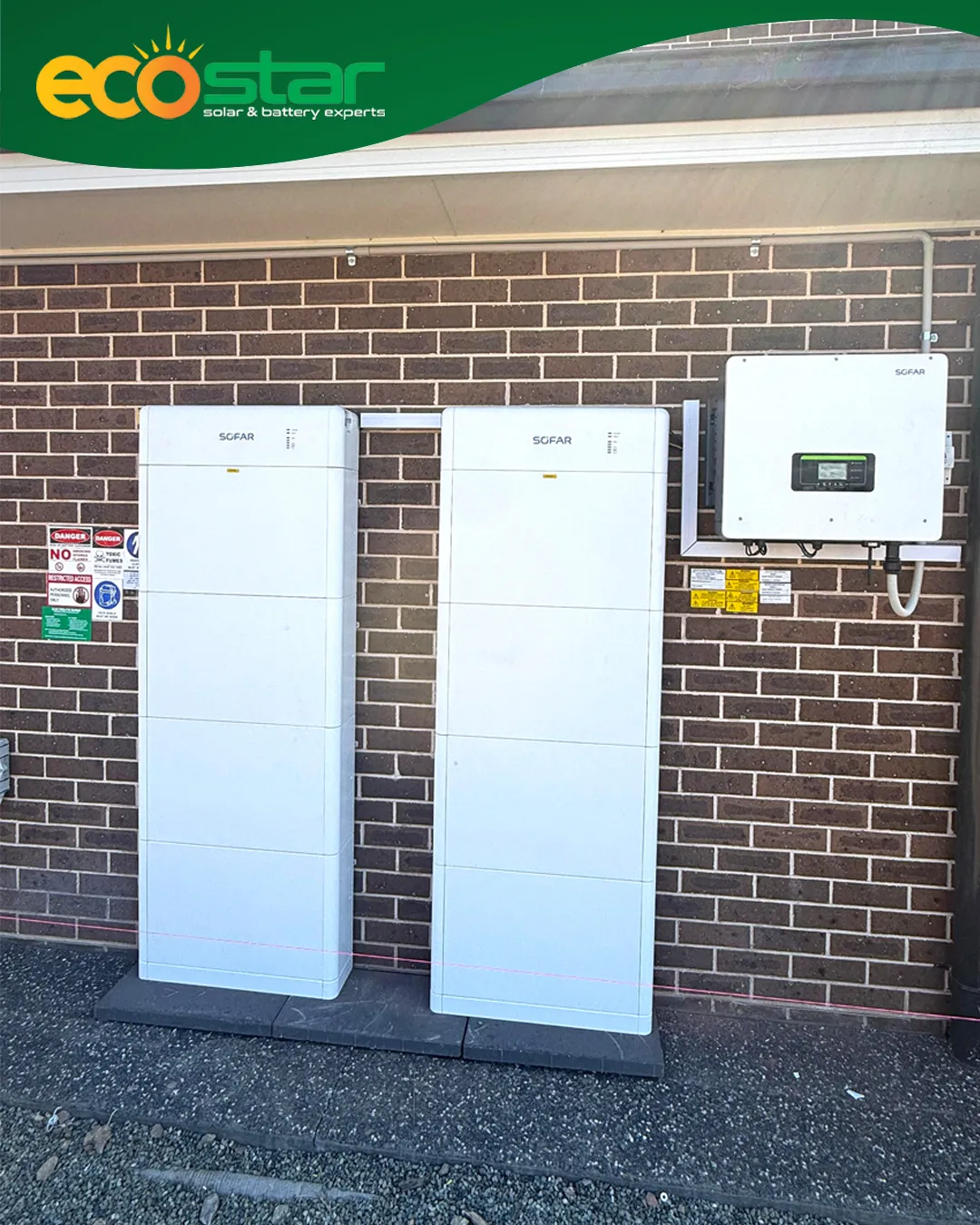
Hybrid Solar Solutions in Moorebank
Our Solar Services
Solar Audit & Testing
Solar Audit & Testing in Deadman Road, Moorebank: Finding the Losses a Power Bill Won’t Explain
A failed solar system is relatively easy to diagnose. The inverter is dead, an error appears on the display, production falls to zero, or the owner notices that something is clearly wrong.
Partial failure is the more expensive problem.
A 50 kW commercial installation can continue exporting power while several panels, a string, an MPPT input or part of the array performs below expectation. Nothing necessarily trips. No dramatic warning arrives. The electricity bill simply starts moving in the wrong direction.
That is where Solar Audit & Testing in Deadman Road, Moorebank becomes more useful than a visual glance at an inverter screen.
That is where Solar Audit & Testing in Deadman Road, Moorebank becomes more useful than a visual glance at an inverter screen.
An audit should begin with performance, not panel washing.
Look at what the system was designed to produce, what it is producing now, how production changes through the day and whether the behaviour makes sense for the array orientation, inverter configuration, weather and site conditions. A system producing electricity is not automatically a system producing electricity properly.
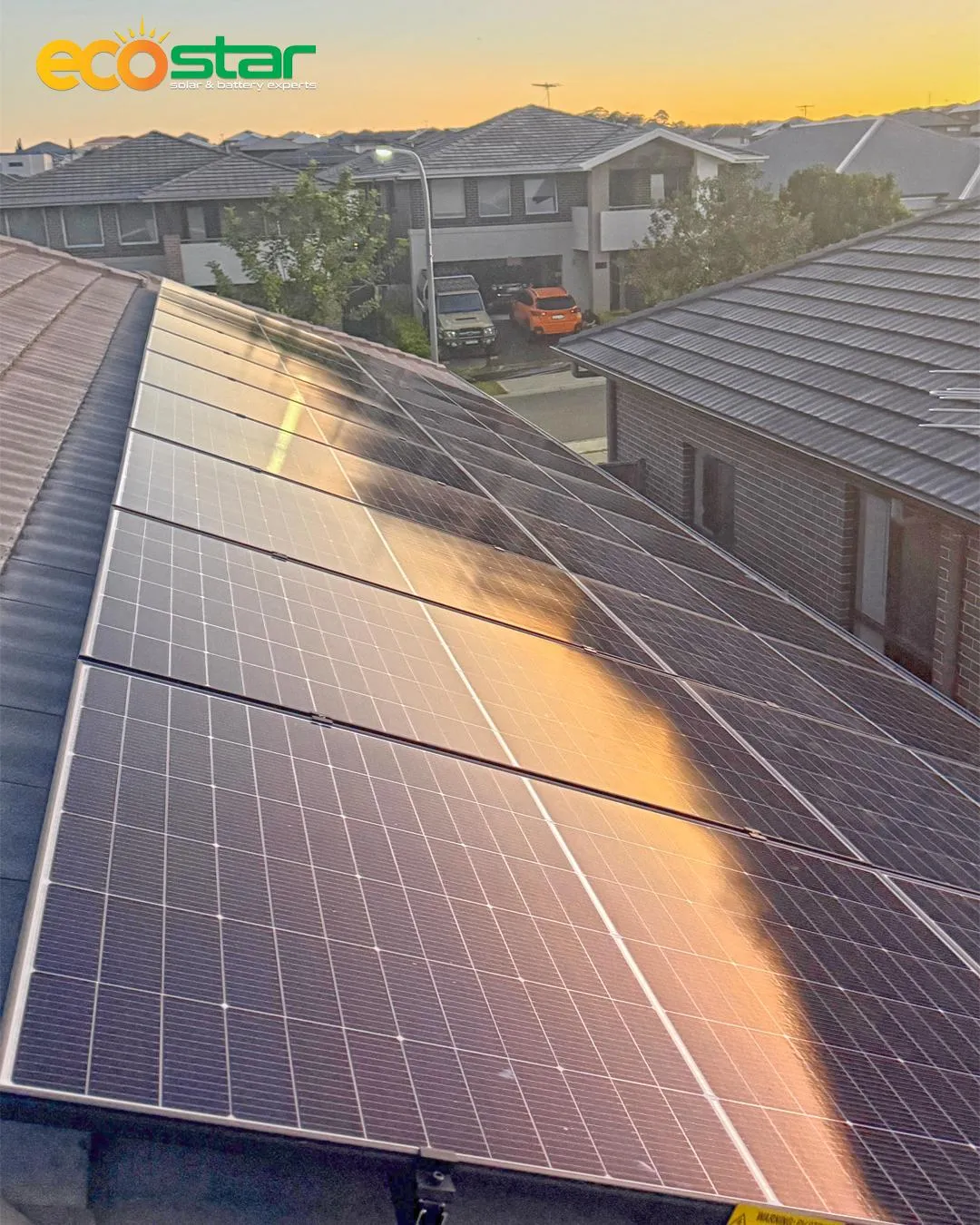
Commercial properties make this especially interesting. Warehouses and industrial premises can have large roof areas, multiple strings, long DC cable runs, several inverters, roof penetrations, mechanical plant, exhaust systems and neighbouring structures capable of creating new shading that did not exist when the array was installed.
A tree growing beside a residential property is obvious. A new rooftop ventilation unit casting a narrow shadow across part of a commercial array at 3 pm is easier to miss.
Then there is dirt.
Dust, bird fouling and accumulated grime can reduce output, but I disagree with the habit of treating cleaning as the automatic cure for every underperforming system. Sometimes the panels are dirty and cleaning is justified. Sometimes a perfectly clean array still has an electrical fault.
Cleaning an electrically defective system simply gives you clean defective panels.
A proper Solar energy audit Moorebank assessment separates environmental losses from electrical, installation and equipment problems before money is spent fixing the wrong thing.
Hybrid Systems and Backup Power
Solar monitoring apps have made system information easier to access and, occasionally, easier to misunderstand.
A dashboard showing 28 kWh for the day tells very little by itself.
Was 28 kWh reasonable for that system size? What was the weather?
Is one inverter producing substantially less than another identical inverter? Is generation beginning later than expected?
Is output collapsing earlier in the afternoon? Are there repeated dropouts? Is the production curve smooth or irregular?
Those patterns matter.
Good solar testing can involve checking DC voltages and currents, string behaviour, inverter operation, electrical connections, isolation arrangements, protective devices, visible module condition and signs of abnormal heating or deterioration. What is appropriate depends on the installation and the fault being investigated.
Insulation resistance and other electrical testing should be carried out by suitably qualified people using appropriate procedures and equipment. Solar DC circuits deserve respect. Panels can continue producing electricity whenever sufficient light is present, even when the normal mains supply has been disconnected. NSW Government electrical-safety guidance specifically warns that solar modules and associated cables should be treated as live electrical sources.
That point gets forgotten during casual inspections.
Opening equipment, disconnecting connectors or attempting electrical tests because someone watched a troubleshooting video is a poor place to save money.
Solar panel testing Deadman Road should also look for inconsistency. If ten comparable strings operate under broadly similar conditions and one behaves differently, that difference deserves investigation. The cause may be a module fault, damaged connector, wiring issue, shading, contamination, poor termination or another electrical problem.
Do not jump directly from unusual data to a failed panel. Diagnosis by assumption creates unnecessary replacement work.
The same applies to infrared inspection. Thermal imaging can reveal temperature differences worth investigating, but a bright patch on a thermal image is not a complete diagnosis by itself. Irradiance, wind, viewing angle, module loading and operating conditions can affect what the camera sees.
Useful instrument. Not magic.
Moorebank Properties Put Solar Equipment
Through Real Operating Conditions
Solar modules live outdoors for years while the rest of the electrical system is expected to tolerate heat, rain, UV exposure, movement, dust and repeated temperature cycling.
Moorebank also includes substantial commercial and industrial activity. A rooftop installation above a warehouse should not be treated exactly like a small domestic array.
Commercial roofs introduce their own complications.
Access can be restricted. Roof sheets can be fragile or deteriorated. Skylights change how technicians can move around an installation. HVAC units can obstruct inspection paths. Production or warehouse activity below the roof may affect when isolation can occur. A test that takes a couple of hours electrically may require considerably more planning operationally.
Roof safety cannot be treated as an administrative detail. SafeWork NSW identifies falls from heights and electrical contact among the significant hazards associated with rooftop solar work. Its 2024 rooftop-solar inspection program still found serious shortcomings in fall protection at inspected sites.
That matters when comparing service quotes.
The cheapest inspection may simply exclude the difficult parts. A technician standing near the roof hatch and photographing the nearest modules has technically visited the array. That is not necessarily a meaningful audit of a large installation. With Solar Audit & Testing in Deadman Road, Moorebank, access conditions should be considered before testing starts.
Which array sections can be reached safely?
Are there fragile roof areas? Is fall protection required?
Can each inverter be inspected?
Can the isolation equipment be accessed?
Is plant shutdown required?
For commercial properties, there is another number worth considering: cost of lost generation.
A residential system running 10% below expectation matters. A considerably larger commercial installation carrying the same percentage loss can turn the same technical problem into a much larger financial leak. And underperformance can remain unnoticed because the business still receives electricity every day. The grid quietly fills the gap.
A Solar Audit Should Follow the Electricity, Not a Generic Checklist
There is a temptation to make every solar inspection identical.
Check panels. Check inverter. Take photographs. Issue report.
Real systems refuse to be that tidy.
A useful inspection usually starts with the system history. Installation date. Array capacity. Panel and inverter models. Available design documentation. Previous faults. Monitoring records. Electrical modifications. Roof work performed after installation. Changes in neighbouring buildings or vegetation. Recent storms. Unexpected changes in electricity consumption or export.
Installation documentation is worth finding before technicians arrive.
NSW guidance says system owners should receive information including installed equipment details, shutdown and isolation instructions, system connection diagrams and equipment handbooks. A licensed electrician is also required to provide a Certificate of Compliance for Electrical Work for relevant installation work.
Older properties do not always have a neat folder containing everything.
That missing paperwork is itself useful information.
The physical inspection then needs context. Cracked glass is obvious. So are badly discoloured components or loose equipment. More subtle issues can include damaged cable management, connectors under mechanical stress, deteriorated labels, corrosion, water exposure, animal damage, vegetation interference or signs that roof work has disturbed the installation.
Electrical testing comes next where required.
The exact test sequence depends on system design and condition, and qualified personnel must determine what can be safely tested. Australian photovoltaic installations are subject to technical requirements including AS/NZS 5033, which covers installation and safety requirements for PV arrays and addresses areas including wiring and protection measures.
A good report should distinguish three categories: safety defects, performance defects and maintenance observations.
Mixing them together creates bad decisions.
A slightly dirty module is not equivalent to a damaged electrical connection. A missing label is not equivalent to evidence of overheating. A minor performance variation does not automatically justify replacing an inverter.
Priorities matter.

Efficiency Testing Is About Recovering Lost Generation, Not Promising Perfect Output
The phrase “solar efficiency” is often handled badly.
No competent audit should promise that testing will somehow make every panel return to its original laboratory rating. Modules age. Site conditions change. Inverters have conversion losses. Temperature affects production. Shading may be unavoidable. Roof orientation cannot be repaired with a multimeter.
The realistic job is to identify avoidable loss.
Solar efficiency testing Moorebank may reveal that the array itself is functioning normally and that the owner’s electricity bill has risen because consumption has changed. A business may have added refrigeration, machinery, EV charging or longer operating hours. A household may have installed a pool pump or started running air-conditioning differently.
That is not a solar defect.
This distinction saves unnecessary repair work.
The opposite situation also occurs: owners assume their higher bill is caused by electricity prices or increased consumption while generation has quietly fallen.
Monitoring history helps separate those situations.
Look at comparable periods rather than isolated days. A sunny Tuesday in January should not be compared casually with a cloudy Tuesday in July. Check longer patterns. Compare inverter behaviour. Consider system size, weather, shading and operating conditions.
An audit can fail when the person doing it enters the site already committed to a diagnosis.
“The panels need cleaning.”
“The inverter is old.”
“You have a hotspot.”
“The system needs replacing.”
Diagnosis should come before quotation.
For Solar Audit & Testing in Deadman Road, Moorebank, the report is more valuable when it explains what was tested, what was actually observed, where the evidence points and which findings require urgent attention. Photographs, recorded readings and identifiable equipment references are far more useful six months later than a one-page document saying “system checked – maintenance recommended”.
There are also occasions when repair does not make financial sense.
If an ageing small system has significant equipment failure, replacement equipment is unavailable, warranty support has ended and rectification costs approach the value of a modern replacement system, repairing every individual defect can become poor economics.
Keep the good system when it makes sense.
Stop throwing money at it when it does not.
F.A.Q
Why is a professional solar audit and testing essential for properties in Moorebank?
Because output can deteriorate without the entire system failing. An audit can investigate panel condition, inverter behaviour, wiring, isolation equipment, electrical performance, shading and other factors affecting safety or generation. Commercial properties deserve particular attention because relatively small percentage losses across a large array can represent substantial lost energy.
How can solar performance testing improve your system's efficiency and reduce electricity costs?
Testing does not create extra sunlight or restore every ageing component to new condition. Its value is identifying avoidable losses. A poorly performing string, inverter fault, shading problem, contamination issue or electrical defect may be reducing usable generation. Correcting the actual cause can increase the amount of solar electricity available to the property and reduce reliance on grid electricity where the site's consumption profile allows it.
When should homeowners and businesses in Moorebank schedule a solar system inspection?
Do not wait exclusively for complete failure. An unexplained fall in generation, recurring inverter faults, storm damage, roof works, water ingress, unusual electrical behaviour, visible panel damage or unexpectedly higher grid consumption can justify an inspection. Periodic professional assessment is also sensible for ageing installations and commercial systems where downtime carries a higher financial cost.
What does a comprehensive solar audit include?
The scope varies with system design. It may cover system documentation, monitoring history, module condition, mounting and accessible cabling, inverter performance, isolators, protection equipment, signage, visible connectors and relevant electrical measurements. Further diagnostic testing can be added when the initial findings indicate a specific problem.
What is a solar audit and testing service?
It is an assessment of a photovoltaic system intended to determine how safely and effectively the installation is operating. Unlike simple panel cleaning, Solar Audit & Testing in Deadman Road, Moorebank examines the system as an electrical generating asset rather than treating the modules as the entire installation.
How often should I have my solar system tested?
There is no useful universal interval for every property. System age, manufacturer requirements, installation type, environmental exposure, previous defects and commercial risk all change the answer. A large commercial array may justify a structured maintenance and testing schedule, while a small residential installation may be assessed differently. Fault warnings, physical damage or significant performance changes should not be left until the next routine visit.
What does a solar audit include?
Expect the technician to establish what equipment is installed, inspect accessible system components, assess available production information and investigate abnormalities rather than simply confirm that the inverter is switched on. Where electrical testing is required, it should be performed by appropriately qualified personnel using suitable test procedures.
Why is solar testing important for properties in Moorebank?
Because a solar installation can remain operational while delivering less energy than it should. Heat, weather exposure, equipment deterioration, shading, contamination, wiring problems and component faults can all influence performance over time. Testing gives owners something more useful than an assumption: evidence about the condition and behaviour of the system.
Start Saving with Solar Today
Our mission is to empower individuals and businesses to embrace a cleaner, more resilient future through smart solar and battery solutions.


Contact info
Head office: 22 Todd Court Wattle, Grove NSW 2173
Branch office: Unit 7, 8-12 Deadman Road, Moorebank, NSW 2170.
Phone : +61 483 904 007
Email : [email protected]
Quick Links
Certifications &
Accreditations


Certifications & Accreditations

© 2026 ECOSTAR PTY LTD. All Rights Reserved.