
Commerical Solar Solutions
Hybrid Solar Solutions
Hybrid Solar Solutions in Moorebank
A standard rooftop solar system generates electricity only while the sun is shining. For many households, this means solar power is produced during the day when electricity demand is low, while higher-priced grid electricity is still needed in the evening.
Hybrid Solar Solutions in Moorebank address this challenge by combining solar panels, battery storage and grid connection into one integrated system. Instead of exporting all surplus energy, excess solar power is stored in the battery for use after sunset, reducing reliance on grid electricity during peak demand.
The real advantage isn't simply generating more electricity—it's using solar energy when it provides the greatest financial benefit.
Our Solar Services
Hybrid Solar Solutions
Making Solar Work Around Your Lifestyle
Every household uses electricity differently. A family may produce most of its solar power between late morning and early afternoon, yet consume the majority of electricity in the evening when air conditioning, cooking, entertainment systems, pool pumps or electric vehicle charging are in use.
Battery storage shifts excess daytime generation to these higher-demand periods, helping reduce expensive evening imports.
However, battery storage is only effective when correctly sized. A battery that's too large may rarely be fully utilised, while one that's too small may not last through the evening peak. Proper system design is far more important than simply choosing the biggest battery available.
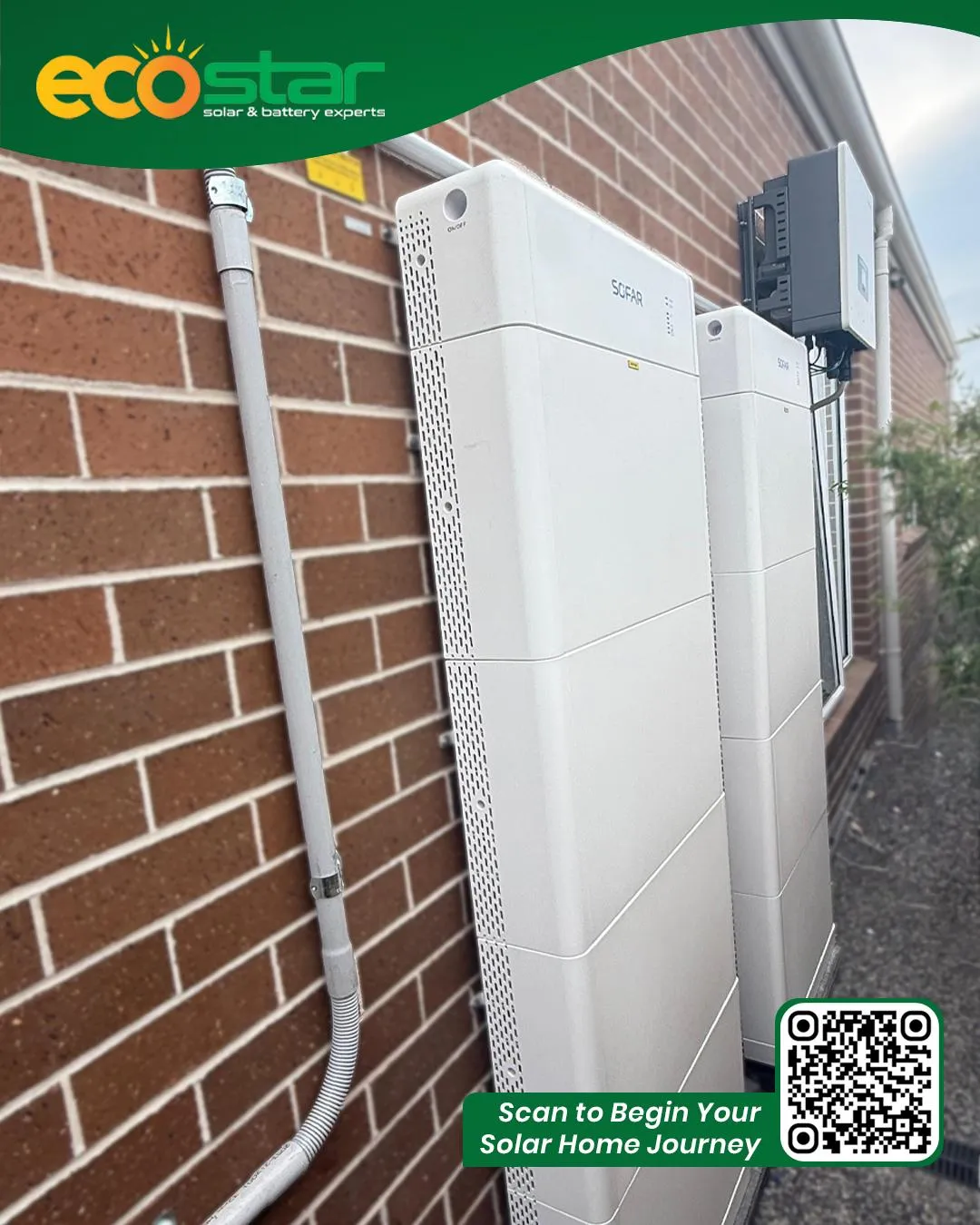
The best starting point is always understanding how the household actually uses electricity.
Instead of focusing only on roof size, installers should assess:
✪ Daily and seasonal consumption patterns
✪ Peak electricity usage times
✪ Weekend versus weekday demand
✪ Existing export limits
✪ Future additions such as EV chargers, heat pumps or pools
Even neighbouring homes with similar roofs can require completely different hybrid systems because their electricity habits are different.
Hybrid Systems and Backup Power
Many homeowners assume every battery automatically provides backup during blackouts.
This isn't always true.
Some hybrid systems stop operating when the grid fails because they aren't configured for backup operation. Others can power only selected circuits, while more advanced systems can supply most essential household loads if designed correctly.
Before installation, it's important to decide exactly what needs backup.
Most households prioritise:
✪ Refrigerator
✪ Lighting
✪ Internet
✪ Garage door
✪ Medical equipment
✪ Essential power outlets
Running large ducted air conditioners, electric ovens or workshop machinery during an outage usually requires significantly more battery capacity and inverter output.
Backup duration also depends on how much energy remains in the battery when the outage occurs. Some homeowners reserve a portion of battery capacity specifically for emergencies, while others use the battery fully each evening to maximise bill savings.
Both approaches involve a trade-off between everyday savings and blackout protection.
Some hybrid systems can recharge the battery from solar panels during a daytime outage, provided the inverter and battery support this feature.
Designing the Right System
A successful Hybrid Solar Installation Moorebank begins with understanding real electricity usage rather than relying only on annual power bills.
Two homes may each use 8,000 kWh per year but achieve very different results from battery storage depending on when that electricity is consumed.
✪ Interval meter data provides a much clearer picture than quarterly bills.
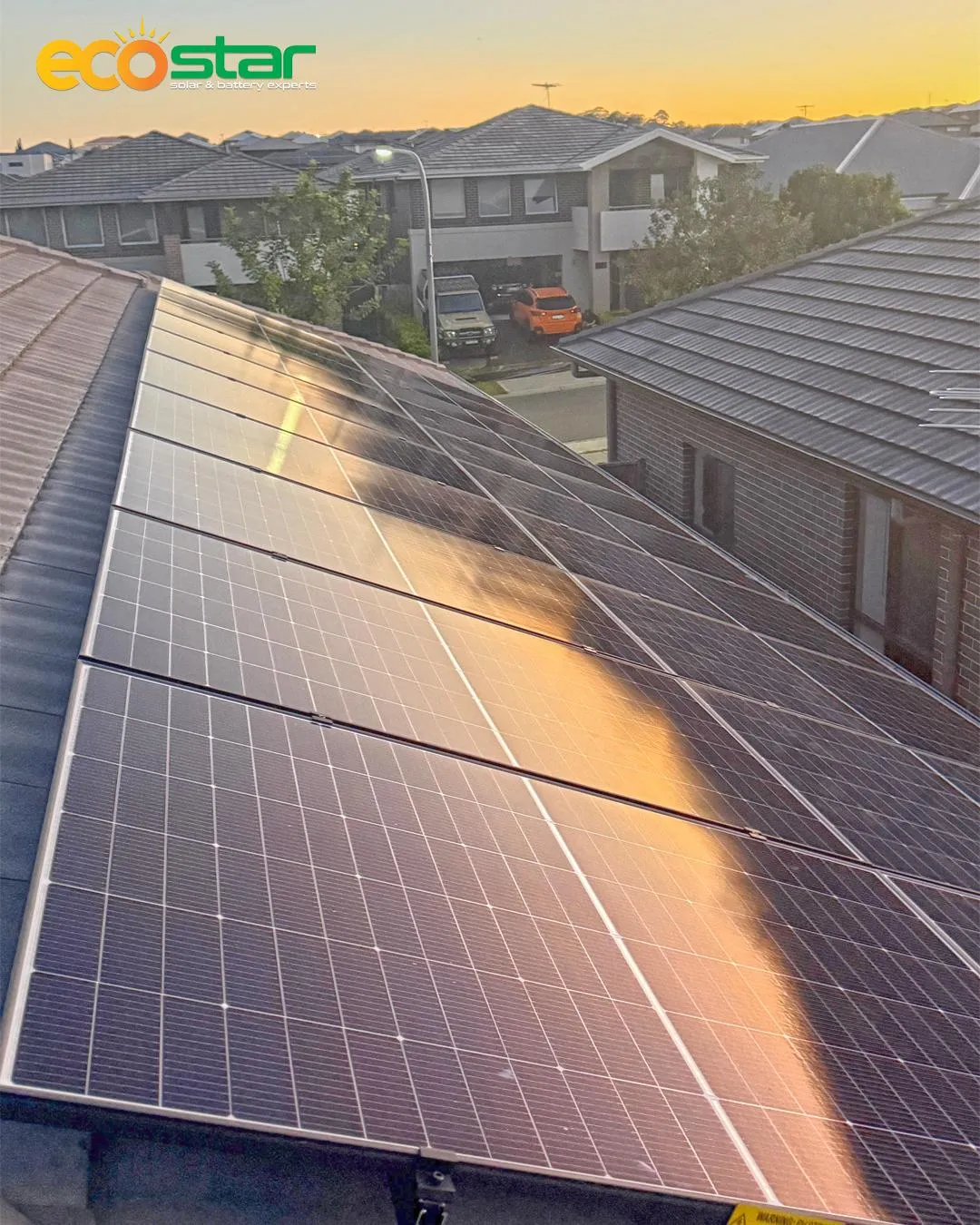
✪ Roof orientation also plays an important role.
✪ North-facing panels generally maximise yearly production.
✪ East-facing panels support morning demand.
✪ West-facing panels continue producing later in the afternoon when electricity prices are often higher.
A combination of panel orientations can improve overall household performance.
Shading should also be carefully assessed, as nearby trees, buildings or roof structures can reduce energy production throughout the day.
Solar panel size, inverter capacity and local export limits should all be considered together to achieve the best balance between generation and battery charging.
Maximising Performance and Savings
A well-designed hybrid system is about more than adding a battery. It should match the property's electricity usage, solar production and tariff structure to maximise long-term value.
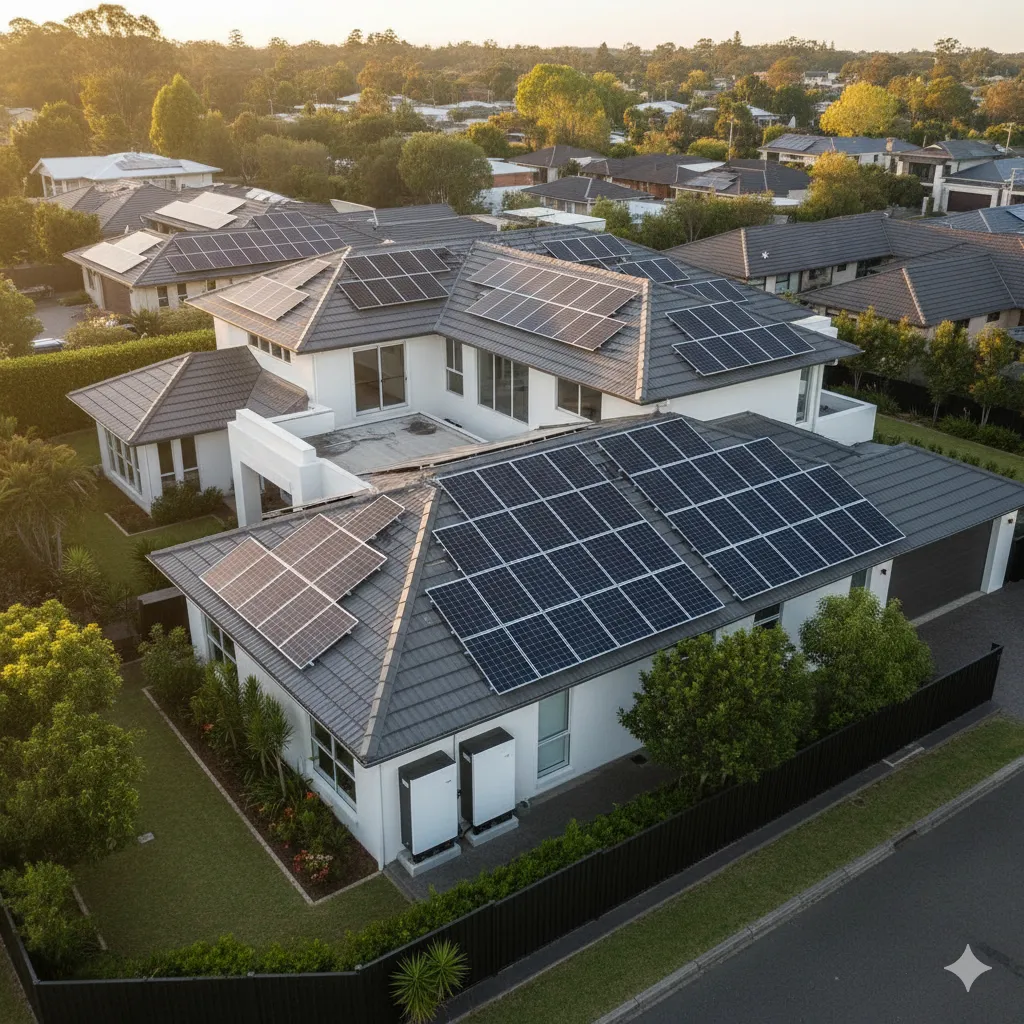
A Grid-Tied Solar with Battery Moorebank system stores surplus solar energy during the day and uses it during the evening, helping reduce expensive electricity imports. The financial benefit depends on household consumption, battery size, electricity tariffs and export rates rather than a single savings figure.
Homes with high evening electricity use often benefit more from battery storage than those using most of their power during daylight hours.

Maximising Performance and Savings
Hybrid systems can significantly reduce electricity bills, but actual savings vary between properties.
Important factors include:
✪ Daily electricity consumption
✪ Solar production
✪ Battery efficiency
✪ Electricity tariffs
✪ Feed-in tariffs
✪ Seasonal weather
✪ Household behaviour
Energy stored in a battery replaces electricity that would otherwise be purchased from the grid. However, batteries are not perfectly efficient. Some energy is naturally lost during charging and discharging, so savings estimates should always be realistic rather than based on ideal conditions. Seasonal changes also affect performance. Summer generally provides higher solar production, while winter often produces shorter charging periods and earlier evening demand.
Another common factor is changing household habits. After installing solar and battery storage, many families naturally begin using more electricity because they feel it costs less. This can reduce the expected savings even though the system continues performing well.
Improving overall energy efficiency before installing additional battery capacity often delivers better long-term value.
Choosing Compatible Equipment
Panels, batteries and inverters should work together as one complete system.
High-quality equipment alone does not guarantee good performance. Proper communication between the inverter, battery and monitoring platform is equally important.
A professionally designed system should provide:
✪ Reliable battery charging and discharging
✪ Clear monitoring data
✪ Stable inverter performance
✪ Future firmware support
✪ Proper commissioning and configuration
When components are poorly matched, the system may appear impressive on paper but fail to deliver the expected performance.
Understanding Battery Warranties
Battery warranties deserve careful attention.
A ten-year warranty does not mean the battery will maintain full capacity for ten years. Most manufacturers guarantee that a certain percentage of usable capacity will remain after a specified number of years or energy throughput. Battery lifespan is influenced by:
✪ Operating temperature
✪ Charging behaviour
✪ Depth of discharge
✪ Daily cycling
✪ Installation conditions
Correct installation helps maximise both battery performance and warranty life.
Understanding Battery Warranties
Installation quality affects long-term reliability just as much as equipment quality.
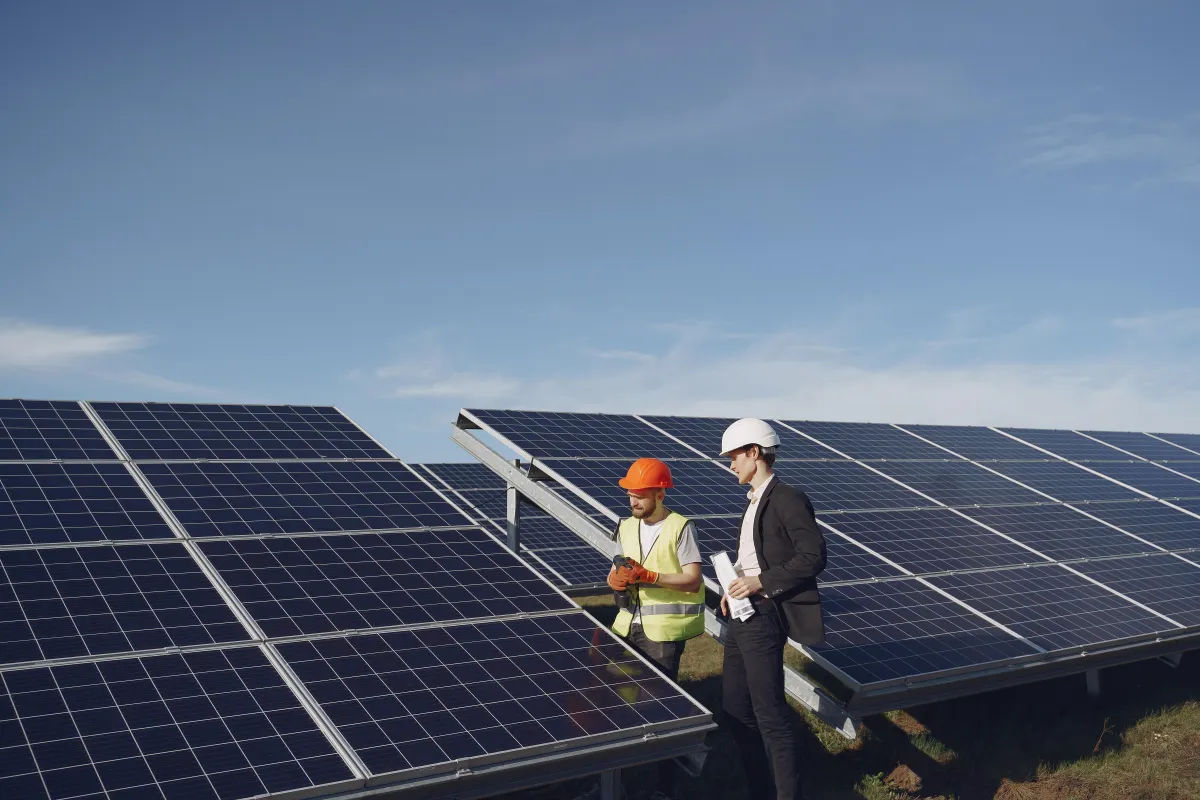
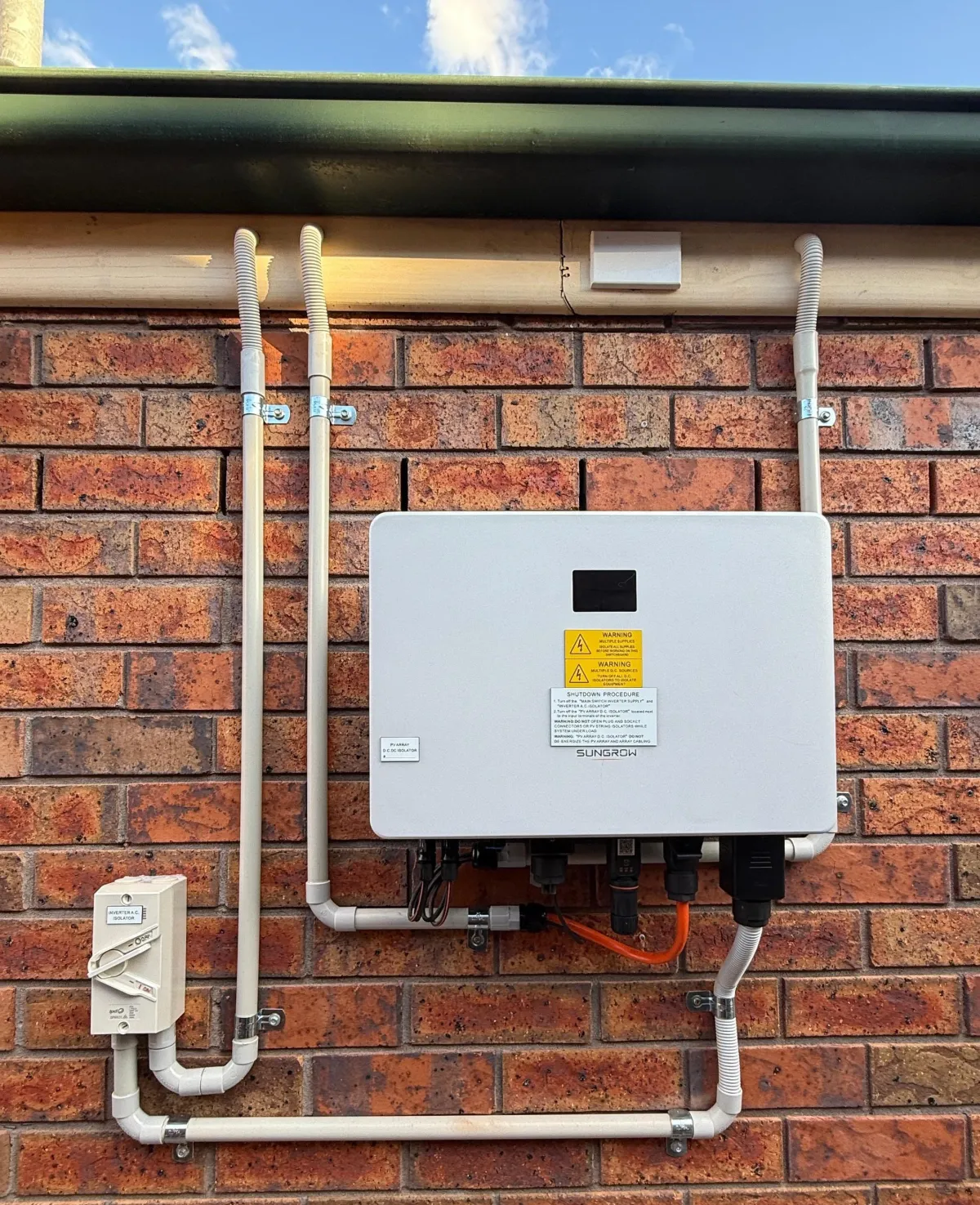
Factors such as switchboard condition, cable routing, backup circuits, wall space and meter configuration can all influence installation complexity and overall cost. Older switchboards may require upgrades before a hybrid system can be installed safely. Very low quotations sometimes exclude important items such as:
✪ Switchboard upgrades
✪ Backup circuit installation
✪ Consumption monitoring
✪ Additional protection devices
✪ Difficult cable runs
A thorough site inspection helps identify these requirements before installation begins, reducing unexpected costs later.
A Practical Approach to Energy Independence
Many homeowners view batteries as a way to eliminate grid electricity completely.
In reality, Energy Independence Moorebank is usually about reducing reliance on the grid rather than disconnecting from it entirely. A hybrid system allows:
✪ Solar panels to power the home during the day.
✪ The battery to supply electricity during the evening.
✪ The grid to provide additional energy during poor weather
Trying to eliminate every grid import often requires much larger solar arrays and battery storage, which may not provide good financial value.
For most households, the smarter goal is lowering electricity purchases while maintaining reliable power. Future needs should also be considered during system design. Electric vehicles, heat pumps, home offices or additional family members can all increase electricity demand over time. Rather than purchasing excessive battery capacity immediately, many homeowners benefit from choosing equipment that allows future expansion if required.
The best Hybrid Solar Solutions in Moorebank are designed around current household usage while providing flexibility for future energy needs.
Start Saving with Solar Today
Our mission is to empower individuals and businesses to embrace a cleaner, more resilient future through smart solar and battery solutions.


Contact info
Head office: 22 Todd Court Wattle, Grove NSW 2173
Branch office: Unit 7, 8-12 Deadman Road, Moorebank, NSW 2170.
Phone : +61 483 904 007
Email : [email protected]
Quick Links
Certifications &
Accreditations



Certifications & Accreditations

© 2026 ECOSTAR PTY LTD. All Rights Reserved.