EV Charging
Solar Panel Cleaning:
A Simple Step Towards Better Solar Performance
Ecostar Solar
Solar panels spend days looking towards the sky.
They catch the morning sun.
They sit through summer heat.
They face wind, dust, rain, leaves, birds and everything the Australian weather can send their way. They quietly turn sunlight into useful energy.
But the strongest solar system needs a little care.
Dust slowly settles.
Bird droppings appear.
Pollen arrives with the seasons.
Leaves gather around edges.
Over time, a layer of dirt can sit between the sun and panels.
That is why solar panel cleaning Australia is an important part of looking after a solar system.
Cleaning may seem like a small job, but it can help your panels stay clear, visible and ready to capture the sunlight they were installed for.
A clean panel has one simple advantage.
There is less standing between it and the sun.
Why Do Solar Panels Get Dirty?
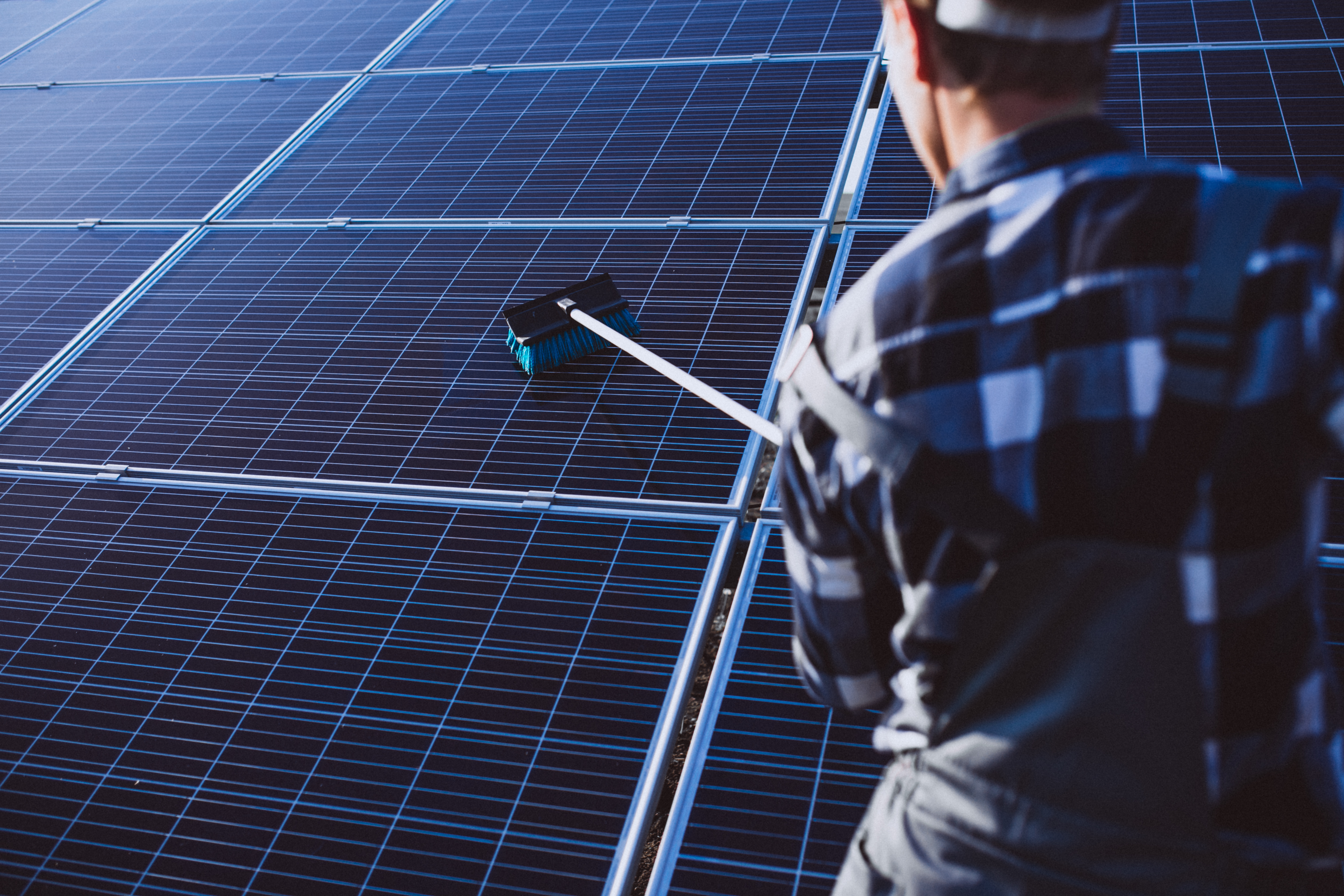
Solar panels live outside.
There is no way around it.
They are exposed to the environment every hour of every day.
Depending on where you live, panels may collect :
• Dust
• Dirt
• Pollen
• Bird droppings
• Leaves
• Tree sap
• Salt residue
• Insects
• Pollution
• Other airborne debris
Homes near busy roads may have more dust and pollution.
Properties near trees may see leaves, pollen and bird activity.
Coastal locations can face salt build-up.
Rural properties may collect dust from dry land, roads or nearby farming activity.
Even if a solar panel looks fairly clean from the ground, there may still be a layer sitting across its surface.
Rain can wash away some loose dirt.
But rain does not always remove everything.
Just like a car windscreen, sometimes water alone leaves marks behind.
Can Dirty Solar Panels Affect Performance?
Solar panels need sunlight.
Anything that blocks sunlight from reaching the solar cells can potentially affect the amount of energy the system produces.
A layer of dust may have only a small impact.
Heavier build-up can become more important.
Bird droppings, for example, may cover particular parts of a panel.
Leaves can create shade.
Thick dust can reduce the amount of light reaching the surface.
This is why solar panel cleaning Australia is about more than making a rooftop look tidy.
It is about helping the system work in the conditions it was designed for.
Solar panels are an investment.
Cleaning is one way to look after that investment.
Can Dirty Solar Panels Affect Performance?
Solar panels need sunlight.
Anything that blocks sunlight from reaching the solar cells can potentially affect the amount of energy the system produces.
A layer of dust may have only a small impact.
Heavier build-up can become more important.
Bird droppings, for example, may cover particular parts of a panel.
Leaves can create shade.
Thick dust can reduce the amount of light reaching the surface.
This is why solar panel cleaning Australia is about more than making a rooftop look tidy.
It is about helping the system work in the conditions it was designed for.
Solar panels are an investment.
Cleaning is one way to look after that investment.
Does Rain Clean Solar Panels?
This is the most common question solar owners ask.
Sometimes, rain helps.
A good rain can remove loose dust and wash away surface dirt.
But rain is not a complete cleaning solution.
Think about the windows on your home.
Rain falls on them too.
Yet they still need cleaning.
The same principle can apply to solar panels.
Sticky bird droppings may remain.
Dust can mix with water and dry into marks.
Leaves can stay trapped near frames.
Pollen and grime may continue building over time.
Rain can lend a hand.
It shouldn’t always be expected to do the whole job.
How Often Should Solar Panels Be Cleaned?
There is no single cleaning schedule that suits every Australian property.
Some systems may stay relatively clean for long periods.
Others may need regular attention.
The right frequency depends on the environment around your home or business.
A property surrounded by trees may need different care from a clear suburban rooftop.
A dusty rural site may be different from a property that receives frequent rain.
Commercial systems may also require a more structured maintenance approach because energy production can have a greater impact on operating costs.
A practical approach is to monitor the condition and performance of the solar system.
If the panels look heavily soiled or system output appears lower than expected without an obvious reason, it may be time to arrange an inspection.
Good solar panel maintenance Australia is about responding to the real condition of the system rather than following a calendar without looking at the roof.
What Time of Year Is Best for Solar Panel Cleaning?
Solar cleaning can be carried out when needed, but seasonal changes create useful moments to think about maintenance.
Spring can be a good time to check what winter has left behind.
Leaves.
Storm debris.
Bird activity.
Dust.
Then comes summer.
The season when solar panels can have long hours of sunlight available.
Having panels in good condition before periods of strong solar production can make sense.
Autumn can bring falling leaves.
Dry periods can bring more dust.
Every season writes something different across a rooftop.
The right time to clean is often when the panels need it.
Why Professional Solar Panel Cleaning Can Be Safer
From the backyard, cleaning a solar panel can look simple.
Water.
A brush.
A few minutes.
But there is something important sitting between you and the panel.
The roof.
Working at height creates a serious safety risk.
Roofs can be slippery.
Edges can be difficult to judge.
Tiles can break.
Wet surfaces can become dangerous.
There is also electrical equipment involved.
For these reasons, homeowners should think carefully before attempting rooftop solar cleaning themselves.
A professional solar panel cleaning service Australia can use appropriate methods and equipment while considering access, panel condition and site safety.
Getting a clean panel should never mean taking an unnecessary fall risk.
Avoid Harsh Cleaning Methods
Solar panels may look tough.
And they are built to spend years outside.
But that does not mean every cleaning method is suitable.
Harsh abrasive tools may damage surfaces.
Aggressive chemicals may not be appropriate.
High-pressure cleaning can create problems if used incorrectly around panels, seals, wiring or roof components.
Cleaning should be gentle.
The aim is to remove dirt without creating damage.
Always consider manufacturer instructions when caring for your solar system.
The best cleaning job is the one that leaves the dirt behind and the equipment unharmed.
Solar Cleaning Is Only One Part of Maintenance
Clean panels are important.
But a solar system is more than glass on a rooftop.
There are cables.
Connections.
Mounting equipment.
An inverter.
Electrical components.
Monitoring equipment.
Sometimes there is battery storage as well.
That means cleaning should be viewed as part of a broader approach to solar maintenance Australia.
A solar system may look spotless while another part of the system needs attention.
This is why performance monitoring and periodic professional checks can be valuable.
The panel catches the sunlight.
The system has to carry that energy where it needs to go.
Keep an Eye on Your Solar Inverter
The inverter plays an important role in a solar power system.
It converts electricity produced by the panels into a form your property can use.
That makes the inverter an important place to look when checking system health.
Watch for warning lights.
Error messages.
Unexpected changes in readings.
If your monitoring system shows a large or unexplained change in energy production, do not automatically assume dirty panels are the only cause.
There may be another issue within the system.
Cleaning helps remove one possible barrier to performance.
Proper system checks help you understand the bigger picture.
Watch Your Solar Production
Modern solar systems can often provide useful information about energy generation.
Monitoring your system can help you understand what normal production looks like.
Of course, output changes naturally.
Cloudy days are different from clear days.
Winter sunlight differs from summer sunlight.
A shaded afternoon will not look like a bright morning.
But over time, you may begin to notice patterns.
If production drops suddenly or remains lower than expected, it may be worth having the system checked.
A dirty surface could be part of the reason.
A fault could be another.
The important thing is to notice.
Solar systems work quietly.
Sometimes their numbers are the first way they tell you something has changed.
Commercial Solar Panels Need Care Too
For a homeowner, solar can help reduce reliance on grid electricity and lower energy costs.
For a business, solar can become part of everyday operations.
Warehouses.
Retail properties.
Factories.
Offices.
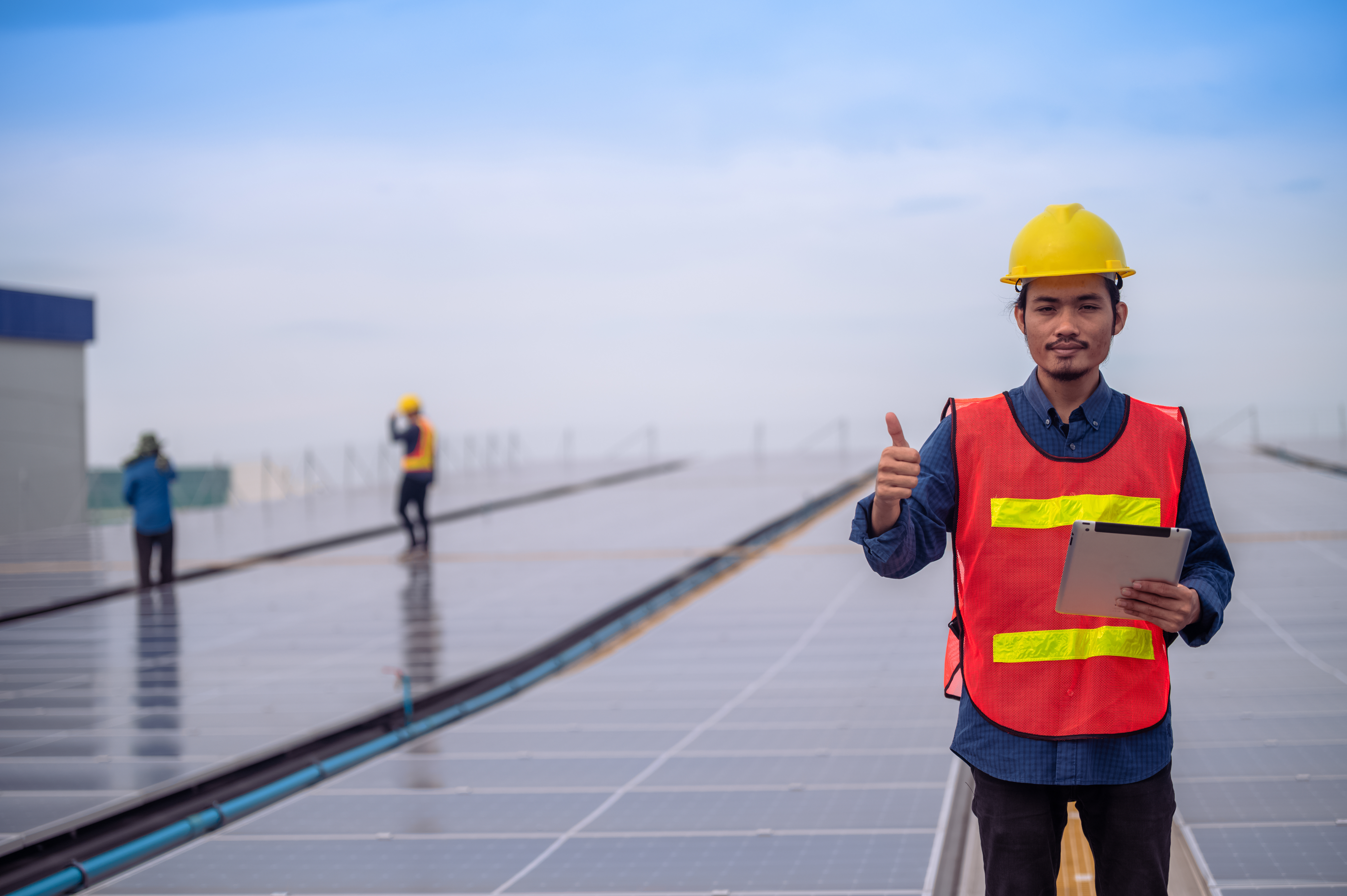
Commercial facilities may have large rooftop systems working through long operating days.
With more panels comes a greater area exposed to dust and debris.
That makes planned cleaning and system checks worth considering.
Commercial systems can benefit from a structured approach that combines panel cleaning with performance monitoring and broader maintenance.
One panel may be a small part of a rooftop.
Hundreds of panels become an energy asset.
Assets deserve care.
What About Bird Droppings?
Bird droppings can be more stubborn than ordinary dust.
They may not wash away easily with rain and can create localised obstruction on a panel.
Properties where birds regularly gather may notice the problem more often.
Nearby trees.
Roof ridges.
Aerials.
Building ledges.
All can encourage bird activity.
If bird droppings become a regular problem, inspecting the panels periodically can help you understand how quickly build-up occurs.
Do not ignore heavy or persistent contamination simply because the rest of the panel looks clean.
A small patch of stubborn dirt can sometimes matter more than a wide layer of light dust.
Don't Forget Leaves and Debris
Sometimes the problem is not what sits on top of a panel.
It is what gathers around it.
Leaves and other organic material can collect near panel edges, roof valleys or mounting areas.
Depending on the roof, this debris may hold moisture or interfere with drainage.
A professional inspection can identify areas where debris is collecting and determine the safest way to address it.
Again, safety comes first.
A clean solar system is useful.
A safe person on the ground is far more important.
Cleaning Can Also Be a Chance to Look Closer
Professional cleaning offers something beyond removing dirt.
It creates an opportunity to look at the visible condition of the system.
Are panels showing obvious signs of damage?
Is debris gathering underneath or around the array?
Are there visible problems that deserve further investigation?
Cleaning itself is not the same as a complete technical solar inspection.
But regular attention can help prevent a system from becoming something installed once and forgotten for years.
That is one of the simplest principles behind good solar ownership.
Install it.
Monitor it.
Care for it.
Let it keep doing its job.
Protecting Your Solar Investment
Solar panels are designed for long-term use.
Homeowners and businesses often install them with years of energy savings in mind.
That long view makes maintenance important.
A solar system does not need constant attention every day.
But it should not be ignored either.
Professional cleaning when required, performance monitoring and appropriate system maintenance can help you look after the investment over its working life.
This is the real value of solar panel cleaning Australia.
Not simply brighter-looking glass.
It is part of treating your solar system as an asset.
Something worth caring for because it is working for you every sunny day.
How Do You Know When Your Panels Need Cleaning?
Sometimes the answer is visible.
You can clearly see dirt.
Bird droppings.
Leaves.
Heavy dust.
Other times, system monitoring may suggest something has changed.
You may notice lower-than-expected output over comparable sunny periods.
If you are unsure, a professional can assess the condition of your panels and determine whether cleaning or further system checks may be appropriate.
There is no need to wait until a solar array looks completely covered in grime.
There is also no reason to clean unnecessarily.
Good maintenance is about timing.
Doing what the system needs, when it needs it.
Clean Panels, Clearer Path to the Sun
The beauty of solar energy is its simplicity.
The sun rises.
Light reaches the roof.
Panels capture that energy.
Electricity begins to flow.
No noise from the panels.
No smoke.
No moving engine.
Just sunlight quietly becoming power.
Keeping the surface clear helps protect that simple relationship between the sky and your solar system.
EcoStar provides solar panel cleaning alongside solar audits, performance testing and broader solar solutions for Australian homes and businesses.
If your system has been sitting under dust, leaves, bird droppings or months of changing weather, it may be worth giving it some attention.
Professional solar panel cleaning Australia can be a simple part of keeping your system cared for and ready for the sunny days ahead.
Because solar panels spend years taking care of your energy.
Every now and then, it makes sense to take care of them too.
F.A.Q
Do solar panels really need cleaning in Australia?
Yes. Dust, bird droppings, leaves, pollen and salt can build up on solar panels over time. Cleaning them when needed can help keep the surface clear and support good energy production.
How does dirt and dust affect solar panel performance?
Dirt and dust can block some sunlight from reaching the solar cells. Heavy build-up may reduce the amount of electricity your system can generate.
How often should Australian homeowners clean their solar panels?
How often should Australian homeowners clean their solar panels?There is no fixed schedule for every home. Check your panels regularly and arrange cleaning when you notice heavy dirt, bird droppings, leaves or an unexplained drop in solar performance.
Is solar panel cleaning different in dusty or coastal areas of Australia?
Is solar panel cleaning different in dusty or coastal areas of Australia?Yes. Homes in dusty, rural or coastal areas may need more frequent cleaning because panels can collect dust, salt and other debris faster.
How often should solar panels be cleaned in Australia?
Cleaning frequency depends on your location, weather and surrounding environment. Many systems only need cleaning when visible build-up appears or performance starts to drop.
Can I clean my solar panels myself?
It is safer to use a professional if the panels are on a roof or difficult to reach. Working at height and around electrical equipment can be dangerous without the right training and equipment.
Does rainwater clean solar panels?
Rain can remove some loose dust, but it may not remove bird droppings, sticky dirt, pollen or stubborn grime. Professional cleaning may still be needed from time to time.
Can bird droppings damage solar panel performance?
Yes. Bird droppings can block sunlight from reaching parts of a panel and may reduce performance if the build-up is heavy or left for a long time.
Start Saving with Solar Today
Our mission is to empower individuals and businesses to embrace a cleaner, more resilient future through smart solar and battery solutions.


Contact info
Head office: 22 Todd Court Wattle, Grove NSW 2173
Branch office: Unit 7, 8-12 Deadman Road, Moorebank, NSW 2170.
Phone : +61 483 904 007
Email : [email protected]
Quick Links
Certifications &
Accreditations


Certifications & Accreditations

© 2026 ECOSTAR PTY LTD. All Rights Reserved.