
Commerical Solar Solutions
Battery Storage Solutions
Battery Storage Solutions in Moorebank
A battery cannot fix an underperforming solar system. It simply stores the energy your solar panels produce. If your system is undersized, heavily shaded, or not suited to your household's energy usage, adding a battery alone will not deliver the savings you expect.
Battery Storage Solutions in Moorebank work best when your solar system generates excess power during the day and your household uses more electricity in the evening. Instead of exporting unused solar energy to the grid, a battery stores it for use after sunset, helping reduce electricity bills and increase your energy independence.
Our Solar Services
Battery Storage Solutions
Smarter Energy Storage for Modern Homes & Businesses
Solar panels work hardest when the house is often quiet. The roof is producing well at 11 am, 12 pm, 1 pm. Maybe nobody is home. The fridge is ticking along. A few standby loads are running. The rest of that solar goes back to the grid. Years ago, that felt fine because feed-in tariffs were stronger. Now, in many homes, the credit you get for exporting power feels small compared with what you pay to buy power back at night.
That gap is where batteries entered the conversation.
Not as a luxury item. Not as a toy for people who like apps and graphs. As a practical response to an awkward problem: the sun produces power when the home does not always need it. Moorebank is not unusual in that sense. A lot of homes in south-west Sydney have good roof space, decent sun exposure, ducted air conditioning, growing families, and power use that jumps late in the day. Some houses have pools. Some have granny flats. Some have electric cooking, electric hot water, EV chargers, or all of them slowly being added one by one. The power board was never designed with today’s load in mind.
That is where Solar Battery Storage Moorebank starts to become more than a neat upgrade. It becomes part of how the property handles power.
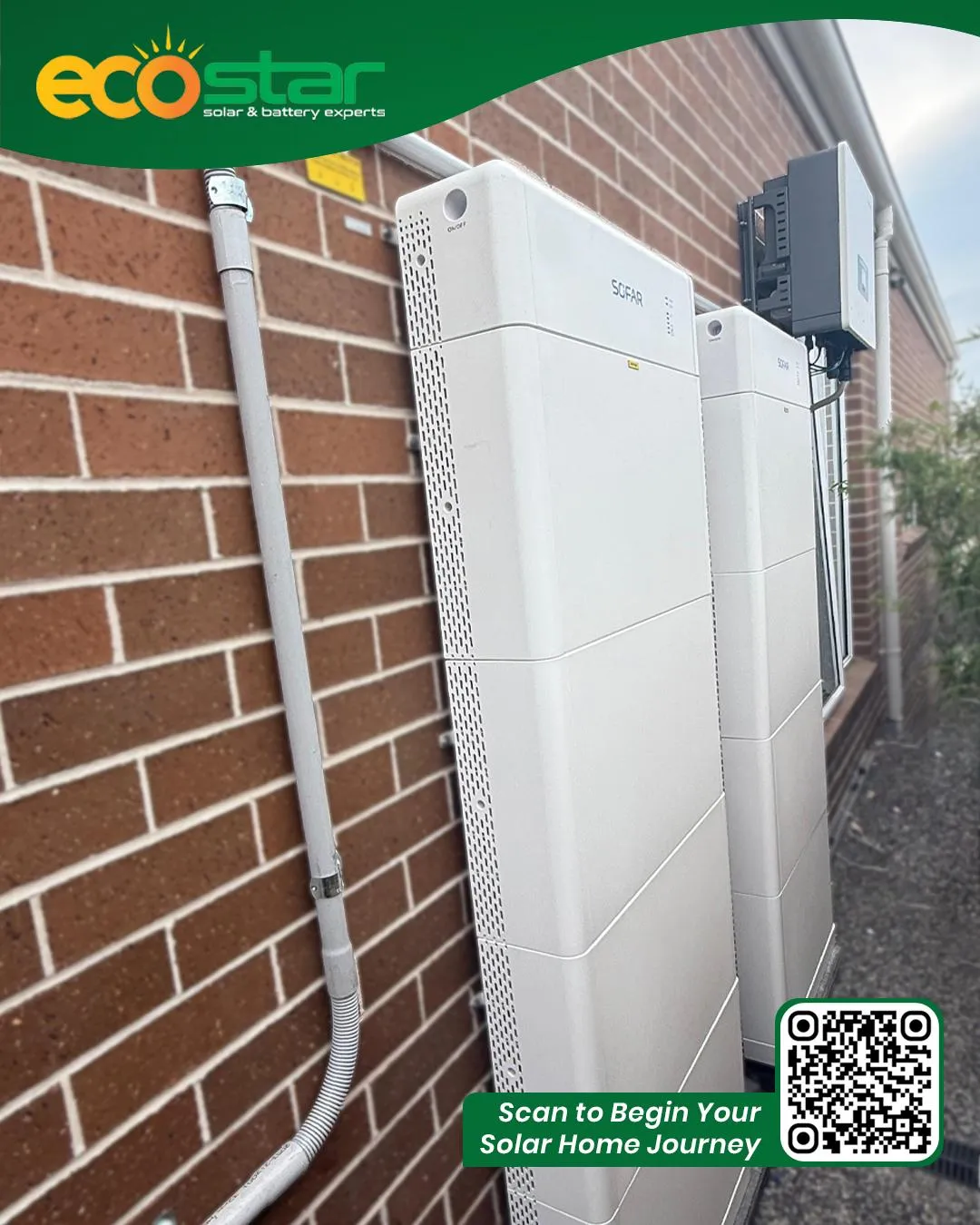
Sizing a Solar Battery Around Real Household Behaviour
A battery should be sized around behaviour, not ego.
The mistake I still see is people asking for the biggest battery they can fit, before anyone has looked carefully at their bills or usage curve. Bigger is not automatically better. A large battery that never fills properly is wasted money. A small battery that empties by 8 pm may frustrate the owner every night. The correct size sits somewhere between the solar system, the daily load, the evening load, the backup requirement, and the budget.
Simple sentence. Hard job.
Air conditioning changes everything. Anyone who ignores air conditioning in a Moorebank home is guessing. Summer nights can punish a battery. A home that uses 6 kWh overnight most of the year may use double that when the air conditioner runs hard through a hot evening. If the battery was sold using average figures only, the owner feels misled in January.
Heat matters too. Batteries do not love heat. A clean garage wall may look perfect until the garage turns into an oven in summer. Outdoor installation can work, but shade, ventilation, clearances, weather exposure, and manufacturer requirements need real attention. I do not like seeing batteries placed wherever there happens to be a spare patch of wall. That is lazy design.
Backup Power and Blackout Expectations
Some installers talk too quickly about backup power.
Backup power is not automatic with every battery. It depends on the battery, inverter, switchboard setup, backup gateway, wiring, circuits selected, and how the system is configured. A battery may store energy and still not run the house during a blackout unless backup equipment has been included. That catches people out.
A blackout backup should be planned like a small emergency system. What needs to stay on? Fridge. Lights. Internet. Garage door maybe. Medical equipment if there is any. Some power points. Not necessarily the oven, ducted air conditioning, pool pump, and every appliance in the house. Whole-home backup sounds attractive until the cost, load, and battery drain are explained properly.
A good Home Battery Storage System Moorebank design separates comfort from survival. During an outage, the goal is not to live exactly as normal. The goal is to keep the house safe, connected, and usable.
That distinction saves money. It also avoids disappointment. Battery Storage Solutions in Moorebank are usually discussed through payback, and payback is fair to discuss. People are spending real money. Still, payback is not the only test. Some households want protection from rising energy costs. Some want better use of their solar. Some want blackout support. Some are preparing for an EV. Some simply dislike sending cheap power to the grid and buying expensive power back later. All valid. The weak sales pitch is the one that pretends every home gets the same result. A retired couple at home during the day may already use much of their solar directly. Their battery benefit may be smaller unless night loads are still high. A young family out all day may get better value because more daytime solar can be stored for evening use. A business with steady daytime demand may need a different setup again. Commercial Battery Storage Moorebank work is not just a larger version of a home system. Demand charges, operating hours, refrigeration, machinery, peak periods, and shutdown risk all change the calculation.
A battery can fail financially without failing technically.
That sounds strange, but it happens. The battery works. The app works. The lights stay on. Yet the savings are weaker than expected because the tariff was wrong, the solar export was already low, the battery was oversized, or the family changed habits after installation. Someone starts working from home. An EV arrives. A pool heater gets installed. A tenant moves into the granny flat. The whole energy profile shifts.
Good battery advice has to leave room for life changing.
The app is useful, but it can make people obsessive. I have seen householders watch every watt like a scoreboard. For the first few weeks, fair enough. After that, the system should settle into the background. A battery should reduce stress, not create a new hobby unless the owner enjoys that sort of thing.
What matters is the monthly and seasonal pattern.
A winter battery behaves differently from a summer battery. In winter, solar production drops and evening use often rises. Shorter days. More cooking. More heating. More lights. The battery may not reach full charge every day. That is not always a fault. It may simply be the season. In summer, the battery may fill easily but drain quickly when cooling loads are high. Again, not always a fault. Just physics and household behaviour.
The better Battery Storage Solutions in Moorebank are designed with these seasonal swings in mind.
Not with one perfect sunny-day estimate.
Installation Details That
Shape Battery Performance
A successful battery installation depends on more than choosing the right product. Switchboard condition, cable routing, inverter compatibility, ventilation, and compliance all play a major role in long-term performance and safety. Older homes may require electrical upgrades before a battery can be installed correctly.
Every property is different. Factors such as available wall space, townhouse or strata requirements, backup power needs, and future expansion plans all influence the best solution. Rather than choosing a battery from a brochure, it should be selected based on your home's energy usage, solar system, and long-term goals.
A professional site assessment ensures the battery is correctly sized, safely installed, and positioned for maximum efficiency. Quality installation, reliable components, and proper system design deliver better performance, longer lifespan, and greater value than simply choosing the lowest-priced option.
Matching Battery Storage to Moorebank Homes and Businesses
The most effective battery systems are not necessarily the biggest or the most expensive—they are the ones designed around the way a home or business actually uses electricity. Properties that generate excess solar energy during the day and consume more power in the evening often see the greatest benefit. Instead of exporting unused solar power to the grid for a low feed-in tariff, a battery stores that energy for use after sunset, helping reduce electricity bills and increase energy independence.
Backup power is another important consideration, but it should be planned carefully. Not every battery system is designed to power an entire property during a blackout. A well-designed system identifies the essential circuits that matter most—such as lighting, refrigeration, internet, security systems, and selected power outlets—while balancing backup capability with everyday energy savings. Finding the right balance between battery reserve and daily usage is key to getting the best long-term value.
Every property has different energy requirements. Household size, air conditioning use, electric vehicles, business operating hours, electricity tariffs, and future expansion plans all influence the ideal battery size and system configuration. A professional assessment ensures the battery is correctly matched to your solar system, energy consumption, and budget rather than relying on a one-size-fits-all solution.
A quality battery storage system should operate quietly and reliably in the background with minimal maintenance. When properly installed and configured, it delivers lower electricity costs, greater control over your energy usage, dependable backup power when required, and long-term performance that continues to support your home or business for years to come. The best battery is not the one with the biggest advertising campaign—it is the one that fits your property, your energy habits, and your long-term goals.
FAQ
Why Are More Homeowners in Moorebank Choosing Battery Storage Solutions?
Because solar alone does not always match how homes use power. Panels produce during the day. Most families use more power in the evening. A battery stores extra solar so the home can use more of its own energy later instead of buying as much from the grid. Rising electricity costs, lower export value, blackout concerns, and future EV plans are all pushing people toward storage.
What Happens to Your Solar Power After Sunset?
Nothing new is produced after sunset. Your panels stop generating, and the home starts using power from the grid unless a battery has stored solar from earlier in the day. With a battery, evening loads can be partly or fully covered depending on the battery size, charge level, and how much power the home is using.
Are You Wasting the Solar Energy Your Panels Generate?
You may be exporting useful solar energy for a low credit during the day, then buying electricity back later at a higher rate. That is not exactly waste, but it can be poor value. A battery helps keep more of that solar on your property. The benefit depends on how much excess solar you produce and how much power you use after the sun goes down.
How Can Battery Storage Keep Your Home Powered During Blackouts?
Only if the system is designed for backup. The battery needs the correct inverter, backup gateway or changeover setup, and selected circuits wired for outage support. During a blackout, it can run essentials like lights, fridge, Wi-Fi, and selected power points. Large appliances can drain the battery quickly, so backup should be planned carefully.
What are the benefits of battery storage solutions in Moorebank?
Battery Storage Solutions in Moorebank can reduce grid use at night, improve the value of rooftop solar, give some protection during outages, and help households manage rising electricity costs. They can also prepare a home for future changes such as EV charging or higher electric appliance use.
Can battery storage systems provide backup power during blackouts?
Yes, but not every battery installation includes backup. Backup must be designed into the system from the start or added with the right equipment. Ask which circuits will run, how long they may run, and what appliances should be avoided during an outage.
Can I add a battery to my existing solar system?
In many cases, yes. The existing inverter, solar size, switchboard, meter setup, roof production, and available battery location need checking first. Some homes can add a battery cleanly. Some need inverter changes or extra panels. Some should fix solar performance issues before buying storage
How long do solar batteries last in Australian conditions?
Most quality home batteries are discussed around a 10-year warranty period, but real performance depends on heat, installation location, cycling, battery chemistry, and how the system is managed. In Australian conditions, keeping the battery away from harsh heat where possible and installing it correctly can make a noticeable difference over time.
Start Saving with Solar Today
Our mission is to empower individuals and businesses to embrace a cleaner, more resilient future through smart solar and battery solutions.


Contact info
Head office: 22 Todd Court Wattle, Grove NSW 2173
Branch office: Unit 7, 8-12 Deadman Road, Moorebank, NSW 2170.
Phone : +61 483 904 007
Email : [email protected]
Quick Links
Certifications &
Accreditations



Certifications & Accreditations

© 2026 ECOSTAR PTY LTD. All Rights Reserved.